
Maintenance Tips for Exterior Patio Shades in Plano
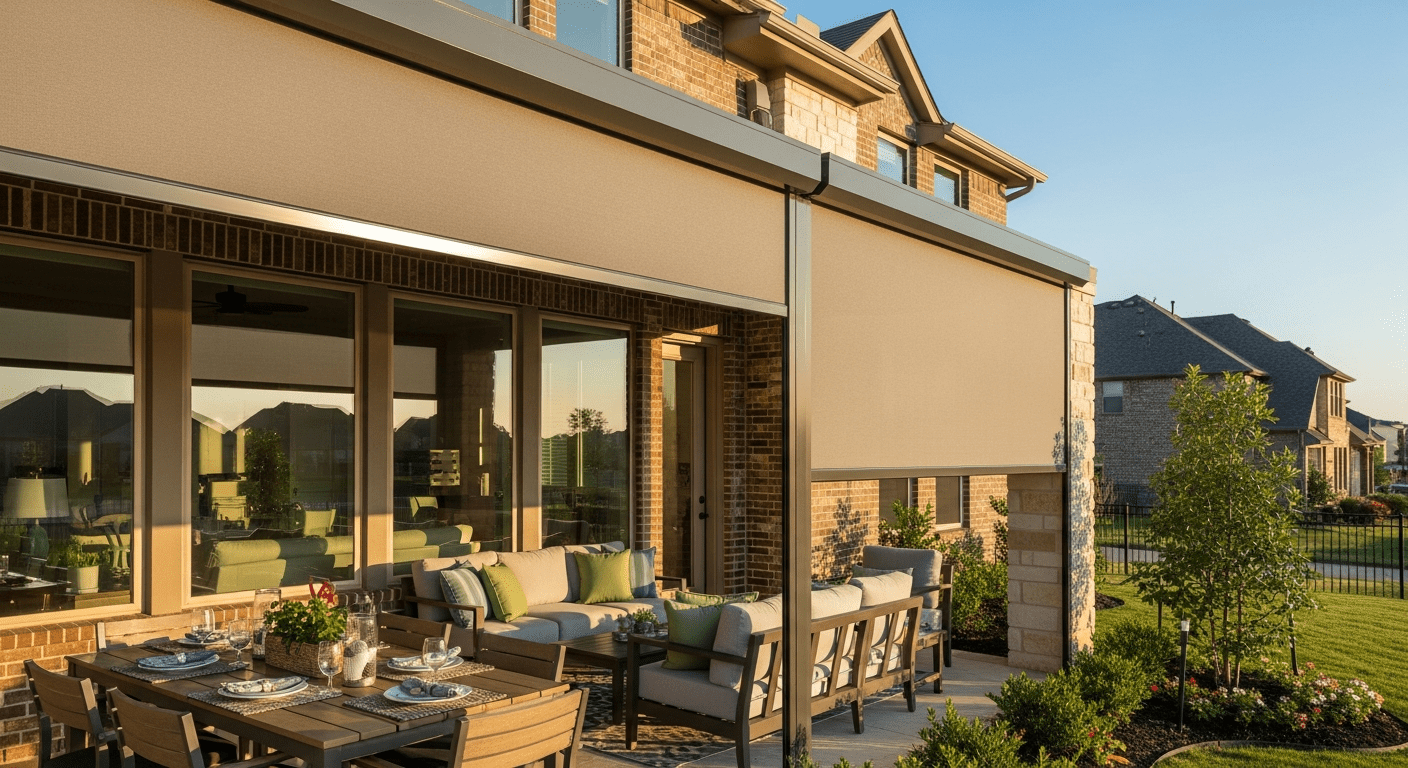
Exterior patio shades last longer and work better when you clean them regularly, fix small issues early, and prepare them for weather swings. Plano’s hot summers, sudden storms, and windy fronts can stress fabrics and hardware, so a simple schedule makes a big difference. Use the guidance below to keep your shades smooth, quiet, and looking sharp while avoiding costly repairs.
Why Plano’s Climate Demands Consistent Shade Care
Plano sits in a sun-heavy zone with long, hot summers, frequent UV exposure, and hail or high winds during spring fronts. These conditions dry out fabrics, fade colors, and loosen fasteners over time. Afternoon heat on west-facing patios in places like Willow Bend, Legacy West, and Deerfield can push frame temperatures above 140°F, which weakens seals and accelerates thread wear. Managing dust is another local factor. North Texas pollen, fine construction dust from rapid development along the Dallas North Tollway, and soil particles carried by gusty winds collect in fabric weaves and guide tracks.
This mix of heat, wind, and grit means owners of Exterior Patio Shades Plano should build in light but steady upkeep. Plano’s Love Is Blinds recommends short monthly checks and deeper seasonal maintenance so you stay ahead of issues and keep warranties valid. Compared with coastal markets, we face less salt but more thermal stress and airborne dust, so cleaning and fastener checks matter most here.
Regular Cleaning and Upkeep That Actually Works
Focus on keeping fabric clean, tracks clear, and hardware moving freely. A basic monthly routine prevents 80 percent of common failures and keeps your shades in the best condition between professional visits.
- Dry dust first: Use a soft brush or a clean microfiber duster to remove loose particles from the fabric surface and the cassette. Do this before any wet cleaning so you do not grind dust into the weave.
- Low-pressure rinse: Rinse the shade with a garden hose on a gentle setting. High pressure can force water into seams or stretch the fabric. Avoid pressure washers.
- Mild soap solution: Mix a few drops of gentle dish soap in a bucket. Wipe the fabric with a soft sponge using long, even strokes. Rinse thoroughly to remove all residue, then allow to air dry fully before retracting.
- Track and hem bar care: For guided systems, vacuum tracks with a crevice nozzle to remove grit. Wipe with a damp cloth and let them dry. Do not apply greasy lubricants inside tracks because they trap dust. A dry silicone spray used sparingly on metal contact points can reduce friction without buildup.
- Hardware inspection: Check brackets, wall anchors, and end caps. Tighten loose fasteners with a hand tool, not a drill, to avoid overtightening. Look for rust starting near screw heads, especially on sun-baked west exposures.
Plano homeowners ask about cleaning frequency. During high pollen months, clean monthly. In calmer months, every other month is usually enough. After a major wind event or hailstorm, do a quick once-over the next dry day.
Spotting Damage Early and Making Smart Repairs
Small problems grow quickly on shade systems. Catching them early keeps you from replacing fabric or motors ahead of schedule. Use these visual and functional checks during your routine:
- Fabric wear: Look for frayed stitching, pinholes at fold lines, and UV bleaching that looks chalky or washed out. In Plano’s sun, thread degradation often starts at the top hem where heat is highest.
- Edge curling: Side edges that curl or wave can drag in tracks. A minor curl might be helped by gentle heat relaxation on a warm day while fully lowered, but persistent curl usually signals tension or alignment issues.
- Stiff operation: Manual crank feels jerky or heavy when grit is in the tube or tracks. Clean first, then test. If stiffness remains, a tension adjustment may be needed by a technician.
- Motor symptoms: Intermittent stopping, unusual clicking, or uneven lowering suggest motor overheating or limit switch drift. In our extreme heat, motors will pause to cool. If it persists during mild weather, get service.
- Water pooling: If you see water collecting on the fabric after a storm, check slope and drainage. Pooling stretches fabric and can bend the hem bar over time.
DIY fixes that are usually safe include tightening accessible screws, cleaning and drying fabric, and replacing a worn crank handle. Avoid opening motor housings, drilling new holes, or adjusting internal spring tension. Those tasks risk voiding warranties. Plano’s Love Is Blinds can source matching fabric panels and OEM parts to maintain performance and appearance.
Seasonal Maintenance Plan for North Texas Weather
This is the part most owners skip, and it is where Plano’s weather makes the biggest difference. A simple seasonal plan can keep your system on track while staying within manufacturer care guidelines. Try this four-part schedule keyed to our local seasons and weather patterns.
Early spring: Before storm season ramps up, verify all anchors and lag bolts are tight. Inspect caulking at wall penetrations to prevent wind-driven rain from wicking into masonry or siding. Clean fabric thoroughly to remove winter dust so it does not act like sandpaper once winds kick up. If your shades have wind sensors, test them by simulating movement while the shade is extended on a calm day.
Mid-summer: High heat near Plano can cause fabric expansion. Run your shades through a full cycle in the morning and evening for a few days to keep memory set evenly. Listen for squeaks that could signal drying bushings. Use a dry silicone spray on moving metal-to-metal contacts as recommended by the manufacturer. Do not lubricate belts or fabric contact points.
Early fall: After the peak heat, wash the fabric again to remove UV-degraded residue and dust. Check motor limit settings if the hem bar starts stopping too high or too low. Clear vegetation growing near tracks or guide wires, especially on patios in mature neighborhoods like North Dallas Estates and the areas off Independence Parkway where shrubs press into openings.
Late fall to early winter: Prep for cold snaps and ice. Retract shades before forecasted freezing rain. Verify the fabric is fully dry prior to roll-up to prevent mildew or seam stress. If you rarely use the patio in winter, store removable valances and covers indoors to reduce exposure.
Winter Preparation Tips Specific to Plano
Winters here are short but unpredictable. We can go from 70°F to ice within 24 hours. Cold snaps create two risks for Exterior Patio Shades Plano owners. First is fabric brittleness when moisture freezes in the weave. Second is motor and gearbox strain when they start in near-freezing temperatures. If a freeze is coming, lower and fully dry the shades during the day, then retract them well before temperatures drop below 35°F. If they are wet, leave them down to dry and retract later when temperatures rebound.
If you get ice buildup on the fabric, do not force the shade to move. Let the ice melt naturally. For manual systems, a forced crank can twist the tube or strip internal gears. For motorized systems, overcurrent protection may prevent movement, but repeated attempts can still stress the motor. After a winter storm passes, inspect for seam cracking, and check for water intrusion around fasteners. Plano codes generally defer to manufacturer specs for exterior attachments, but the city encourages weather-resistant sealing at penetrations. Keeping sealant intact protects framing and insulation around patio doors and windows.
When to Call for Professional Service
Some issues are simple, but several deserve a trained technician. Call a pro if you notice any of the following:
- Binding that persists after cleaning tracks and checking for obstructions
- Motor not responding, tripping breakers, or needing frequent resets
- Significant edge curl, fabric sagging more than one inch across a six-foot span, or visible seam separation
- Bracket movement, wall anchor pull-out, or cracking around fasteners
- Wind sensor or app control glitches that recur after battery resets or software updates
Plano’s Love Is Blinds provides on-site diagnostics, limit recalibration, and fabric panel replacement that matches existing colorways. With the competitive market across Collin County and nearby Frisco and Allen, parts availability is strong. That means you can usually get OEM components quickly so your system stays aligned with the best Exterior Patio Shades Plano standards and warranty requirements.
Protecting Your Investment: Warranties, Codes, and Insurance Notes
Many exterior shade systems come with fabric warranties of 5 to 10 years and motor warranties of 3 to 5 years. These warranties often require regular cleaning with approved methods and no unauthorized modifications. Keep a simple maintenance log on your phone with dates, what you cleaned, and any photos of issues. If a storm hits, those records help with manufacturer claims and homeowner’s insurance. Plano’s growth has also brought more HOA oversight. In neighborhoods like Kings Ridge or Whiffletree, associations may require you to maintain a neat, uniform appearance. Clean, even-looking shades help avoid letters and fines.
For new installs, verify that mounting follows manufacturer load specs for brick, stone, or stucco common in Plano builds. While Plano does not have a unique shade ordinance, exterior fixtures must not block egress or violate setback rules. Proper attachment and water sealing protect both your shade warranty and your home’s building envelope. A local expert who understands Plano materials, from post-tension slabs to brick-on-frame walls, will choose the right anchors and sealants to reduce long-term movement.
Choosing the Right Cleaning Products and Tools
Stick with non-abrasive, pH-neutral cleaners for both fabric and powder-coated aluminum. Avoid bleach, citrus solvents, and anything with grit. A hand sprayer, microfiber cloths, soft brush, crevice vacuum nozzle, and a small tube of exterior-grade clear sealant cover most tasks. For solar screen fabrics popular in Plano, a 1 to 2 percent mild soap solution is ideal. If you are near construction zones along US-75 where silica dust is common, rinse more often since those particles can cut fiber over time. For shade windows facing Preston Road or Coit Road, traffic film builds up faster. A monthly rinse keeps dark fabrics from looking hazy.
How Often to Service: A Simple Plano Schedule
Use this quick rhythm to balance effort and results. It fits typical use patterns near Plano and accounts for our weather swings.
- Monthly during spring and summer: Dust, gentle rinse, and track vacuum. Quick hardware check.
- Every other month during fall and winter: Light dusting and visual inspection, especially before freezes.
- After major storms: Inspect fabric, fasteners, and sensor alignment. Do not operate if ice is present.
- Annually: Professional service for motor checks, limit recalibration, tension verification, and sealant touch-ups.
Local Support: Why Plano’s Love Is Blinds Makes Maintenance Easier
Having a local team that understands Plano weather, construction styles, and HOA standards shortens downtime and helps you plan maintenance with confidence. Love Is Blinds in Plano services a wide range of brands and carries parts that fit the most common exterior cassette and track systems used in North Texas homes. If you need a quick repair before a backyard event at your home near Oak Point Park or after a windy weekend at your townhome by Legacy West, local response time matters more than anything.
If you are searching for Exterior Patio Shades Plano near me or Exterior Patio Shades Plano nearby, focus on proven installers and service providers who back products with documented maintenance plans. Working with Plano’s Love Is Blinds means you get not only installation and repair, but also guidance on daily care, seasonal prep, and warranty support. Learn more about or explore options in to match maintenance needs with your shade type.
Practical Examples from Real Plano Patios
Example 1: A west-facing patio in Deerfield saw rapid fabric fading on the top six inches after two summers. The owner started rinsing monthly from March through September and added a spring and late summer professional check. The next season, color loss leveled off and the motor no longer overheated on July afternoons.
Example 2: A home off Independence Parkway had gritty, jerky manual operation after a nearby remodel kicked up dust. A deep track vacuum, dry silicone on the axle bushings, and a reset of the hem bar limits restored smooth motion. The homeowner now runs a soft-brush dusting every three weeks during active construction in the area.
Final Takeaways for Long-Lasting Shades
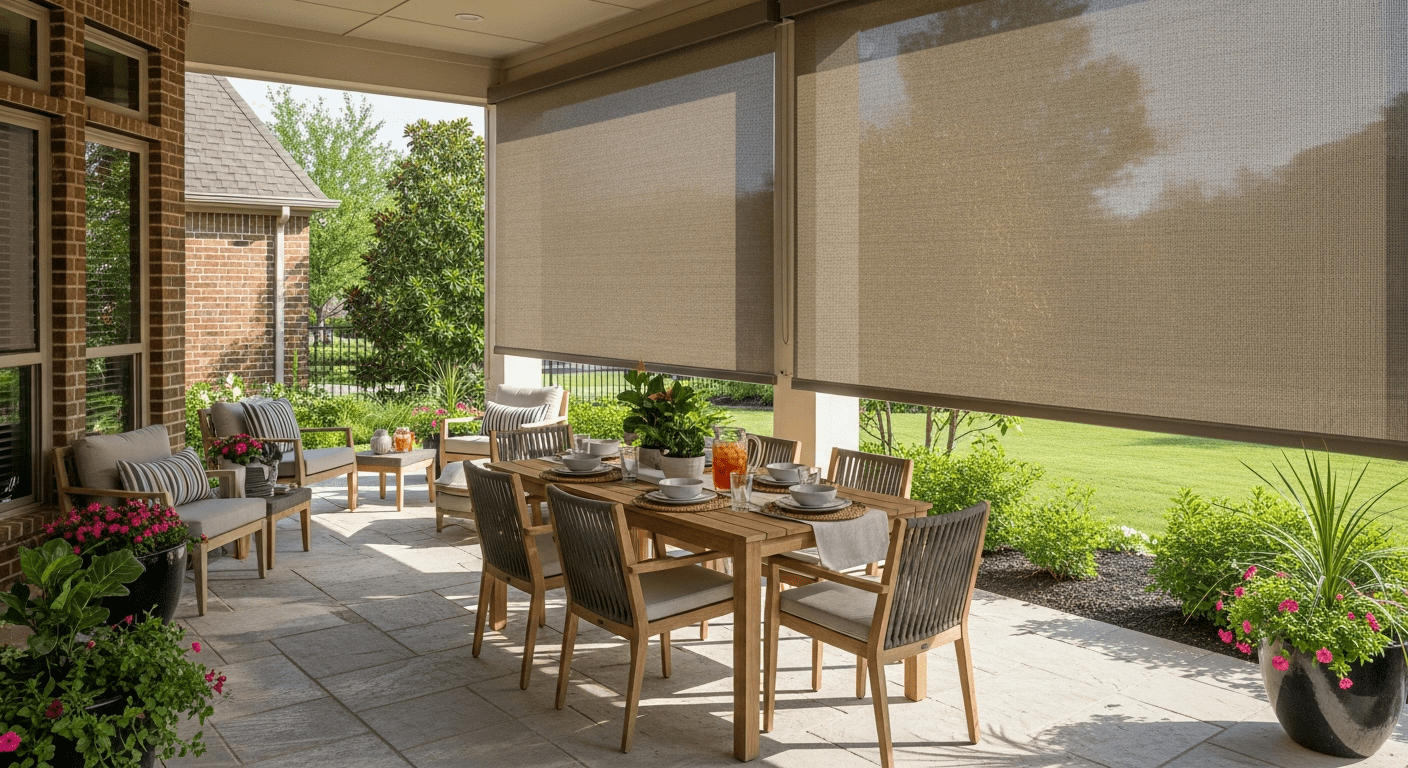
Keep it simple and steady. Clean gently, keep tracks clear, and fix small issues quickly. Prepare ahead of freezes and wind, and call a pro if motors stutter or fabric alignment drifts. For Plano residents, that steady routine keeps your patio usable through hot summers and breezy springs while protecting your investment. If you want a maintenance walkthrough or help calibrating limits, schedule service with Love Is Blinds in Plano. Their team supports the best Exterior Patio Shades Plano owners with practical care plans that match local conditions. As discussed in , a few preventive steps before storms can save you from fabric or hardware replacement.